Water scarcity dominates global headlines, yet the real crisis is often invisible, as it’s hidden in leaky pipes, outdated infrastructure, and the gaps between water produced and water delivered. According to the World Bank’s Global Water Monitoring Report released in November 2025, the world loses 324 billion cubic meters of freshwater every year – enough to meet the annual needs of 280 million people. Yet this crisis extends beyond scarcity into a deeper problem of infrastructure inefficiency and urban mismanagement.
For cities worldwide, the primary challenge is non-revenue water (NRW) – the water that disappears between treatment plants and consumer taps. This invisible loss has become essential to address for urban water security in an era of climate uncertainty and rising demand.
The Global Crisis: Water Lost, Revenue Lost
Non-revenue water (NRW) is defined as the difference between the volume of water introduced into a water distribution system and the volume actually billed to customers. According to the International Water Association (IWA) methodology, NRW comprises two main categories:
Physical Losses (Real Losses):
• Leakage from transmission mains and distribution pipes
• Pipeline breaks and burst pipes from aging infrastructure
• Overflow losses at treatment and storage facilities
Commercial Losses (Apparent Losses):
• Metering inaccuracies and faulty water meters
• Theft through illegal connections
• Billing errors and data handling mistakes
In developed nations, NRW typically ranges from 10-20%. However, in developing urban centers, the situation is dire. Mexico City reports significant non-revenue water losses, with some areas experiencing extreme challenges – losing an estimated 12,000 liters of potable water every second. Similarly, cities across Asia face crisis-level losses, particularly in South and Southeast Asia, where the disparity between population and water resources creates particularly severe non-revenue water challenges.
India’s Water Challenge: A Microcosm of the Global Problem
According to a research by Bandari & Sadhukhan examining 55 Indian metropolitan cities, published in the Journal of Water Supply: Research and Technology, the water crisis afflicting these urban centers reveals a sobering reality: this is fundamentally a problem of poor management rather than resource constraints.
While individual treatment plants and reservoirs operate at capacity, water never reaches citizens due to systemic inefficiencies embedded throughout the distribution infrastructure:
- Aging pipelines leak continuously, wasting treated water
- Unmetered connections siphon water without generating revenue
- Billing inaccuracies prevent cost recovery and financial sustainability
- Cities face competing pressures: the aspiration to provide 24-hour continuous supply, the imperative to expand service to growing informal settlements, and the urgent need to build climate resilience into aging systems
Yet embedded within this crisis lies a critical opportunity. When Indian cities reduce their non-revenue water through targeted interventions, they simultaneously improve water availability and enhance cost recovery:
Key Interventions:
- Active leak detection systems
- Pressure management across networks
- Bulk metering at critical points
- Strategic network renovation
The implications are profound: a city currently losing 50% of its water could theoretically meet the UN benchmark of 135 liters per capita daily supply through loss reduction alone, without requiring expensive new treatment facilities or drawing additional water from increasingly scarce sources. More importantly, this approach enables financial sustainability – utilities become self-sufficient through improved cost recovery, creating a virtuous cycle where operational efficiency funds further infrastructure improvements and enables service expansion to underserved populations.
Introducing aquaCITY: The Integrated Urban Water Platform
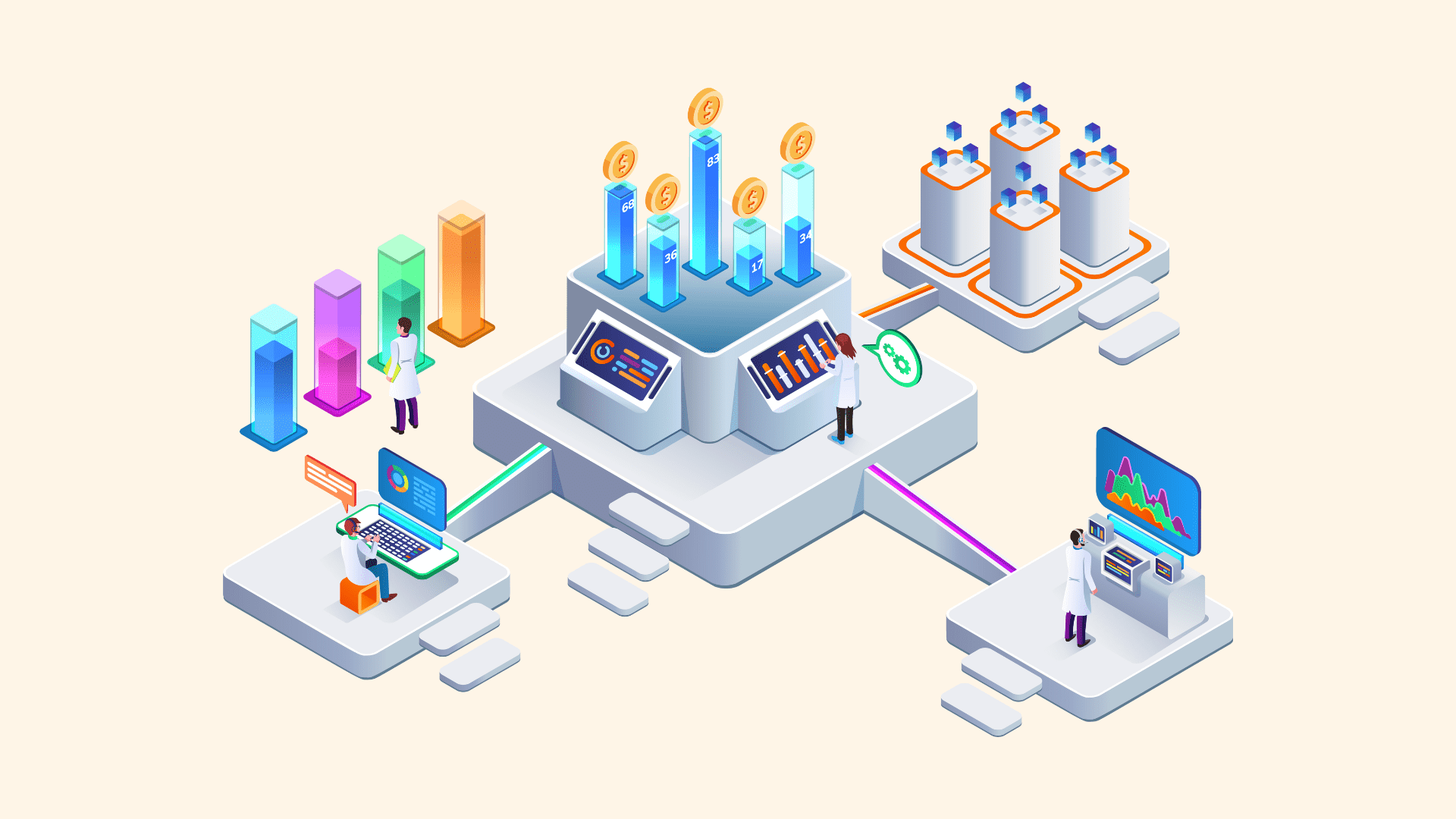
Vassar Labs’ aquaCITY represents a paradigm shift in urban water management. Rather than bolting leak detection onto legacy systems, aquaCITY architects an end-to-end digital workflow for smart city water management. The platform integrates digital twins, AI, geospatial capabilities, and IoT sensors into a unified governance and operational intelligence system.
The platform currently operates across 8+ major Indian cities, serving 1.35 million citizens, managing 100,000+ households, and monitoring 1.45 lakh GIS-mapped assets. Deployment results demonstrate tangible impact: 98% billing accuracy, 40% revenue growth, and NRW reduced below 20%.
The Non-Revenue Water Module
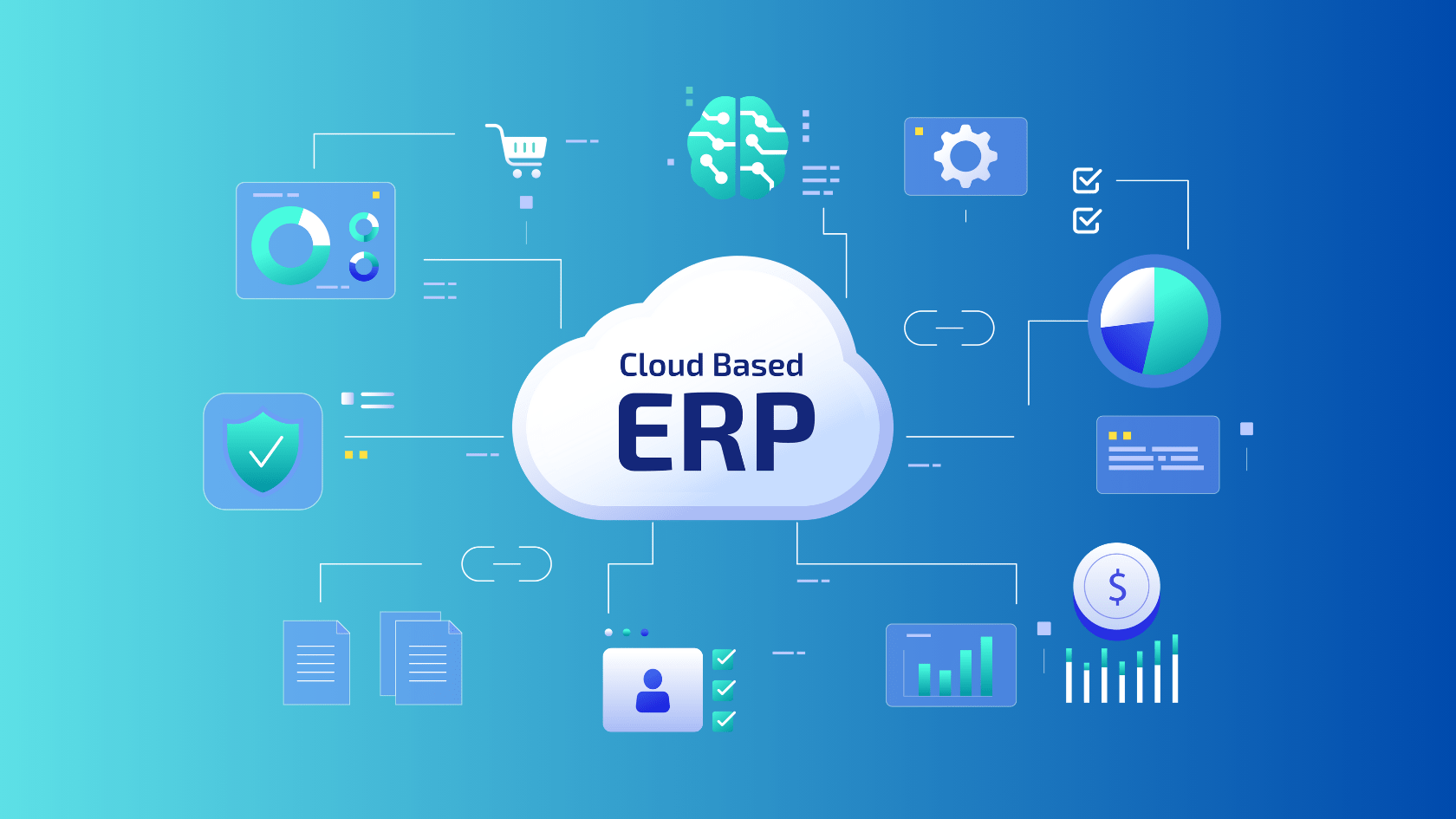
To address these challenges, an integrated Non-Revenue Water Module combining sensors, IoT, and AI-powered analytics is brought to action. The system enhances water network monitoring, expedites leak detection, and enables municipalities to reduce water losses effectively.
Core Components:
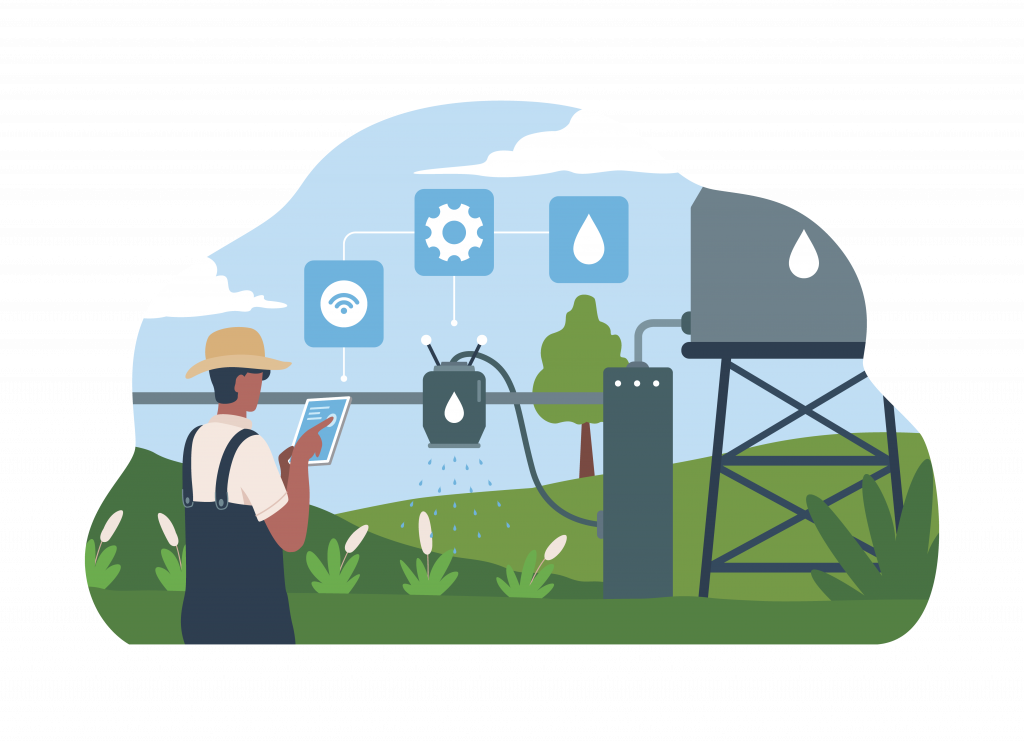
- IoT Sensors for Real-Time Monitoring
- Installing IoT-enabled flow meters and pressure sensors at critical junctions in the distribution network.
- Monitor water flow, pressure variations, and consumption patterns in real time.
- AI and Machine Learning (ML) Analytics
- Use AI algorithms to analyze sensor data and identify anomalies indicative of leaks or unauthorized usage.
- ML models predict high-risk zones for future leaks, enabling proactive maintenance.
- Mobile and Web Alerts
- A centralized platform accessible via mobile and web.
- Provide instant alerts to stakeholders when anomalies or leaks are detected.
- Live dashboards for monitoring system health and water loss trends.
- Automated Leak Localization
- Pinpointing leak locations through geospatial analytics and sensor triangulation.
- Reduce response time for repairs and minimize service disruption.
- Revenue Protection
- Integrating with smart metering systems to detect discrepancies between water production and billing.
- Identifying and rectifying unauthorized connections or meter tampering
Benefits for Municipalities and Governments
Implementing this advanced NRW tracking and leak detection system offers multiple advantages:
- Water Conservation: Minimize water losses and ensure sustainable resource utilization.
- Enhanced Financial Performance: Recover lost revenues through accurate metering and theft detection.
- Improved Infrastructure Management: Extend asset life through predictive maintenance.
- Regulatory Compliance: Support achievement of government water security and sustainability targets.
- Citizen Satisfaction: Enhance service reliability and reduce water outages for residents.